

The Origin of Fear
How America Learned to Fear Technology—And Why It’s Holding Us Back
April 21, 2025
When it comes to technology, America has trust issues. According to a 2023 Pew Research survey, over 60% of Americans express significant concern over artificial intelligence and its potential misuse, fearing job losses, surveillance, or even something as extreme as an AI-driven apocalypse. Yet when pressed, most Americans admit their fears aren’t based on personal experiences, but on cultural narratives deeply embedded in their minds through fiction and media scandals.
There are three culprits responsible for America's prevailing suspicion toward tech. Two are fictional creations: Orwell's chilling Big Brother scenario from 1984, and the relentless evil of intelligent machines portrayed in Hollywood blockbusters. The third, unfortunately, is all too real: the betrayal of trust by social media giants like Facebook and Twitter.
But here’s the critical twist: these narratives are not a reason to abandon technology. Instead, they are precisely why we should engage with tech more openly and thoughtfully—balancing healthy skepticism with cautious optimism.
Let’s unpack why these three pillars of technophobia have shaped our fears so profoundly—and why it's time to rethink our stance.
1. Orwell’s Big Brother: The Surveillance Fear Factor
George Orwell’s 1984 is not just a novel—it’s the foundational text for modern anxieties about surveillance. The concept of “Big Brother,” the omnipresent eye of a totalitarian state monitoring your every move, is now shorthand for intrusive government or corporate surveillance.
Yet what Orwell envisioned was not about technology itself, but rather how unchecked authority could exploit it. This distinction matters profoundly. The narrative America absorbed from Orwell was not “Technology can enable abuse if mismanaged,” but rather a simplified, fear-driven message: “Technology inevitably leads to totalitarianism.”
Consider this real-world parallel: the NSA’s domestic surveillance revealed by Edward Snowden in 2013. This scandal reinforced public fears, but the revelations also prompted widespread public backlash, significant reforms, and tighter regulations (e.g., the USA Freedom Act of 2015). Society didn’t meekly succumb; it pushed back, demonstrating that surveillance tech itself wasn't the enemy—it was the misuse of it by unchecked powers.
Orwell’s lesson is a warning, not prophecy: vigilance about how tech is employed matters more than rejecting innovation outright. Orwell himself didn't fear technology—he feared complacency.
2. The Hollywood Apocalypse: Robots, AI, and Fear of Losing Control
Then there’s Hollywood, where imagination runs amok. Films like The Terminator, The Matrix, and 2001: A Space Odyssey shaped an entire generation’s visceral anxiety toward technology. In these films, humanity creates intelligent machines that inevitably rebel, enslave, or annihilate us. These cinematic visions offer thrilling entertainment, but as cultural narratives, they've become dangerously powerful metaphors in the public psyche.
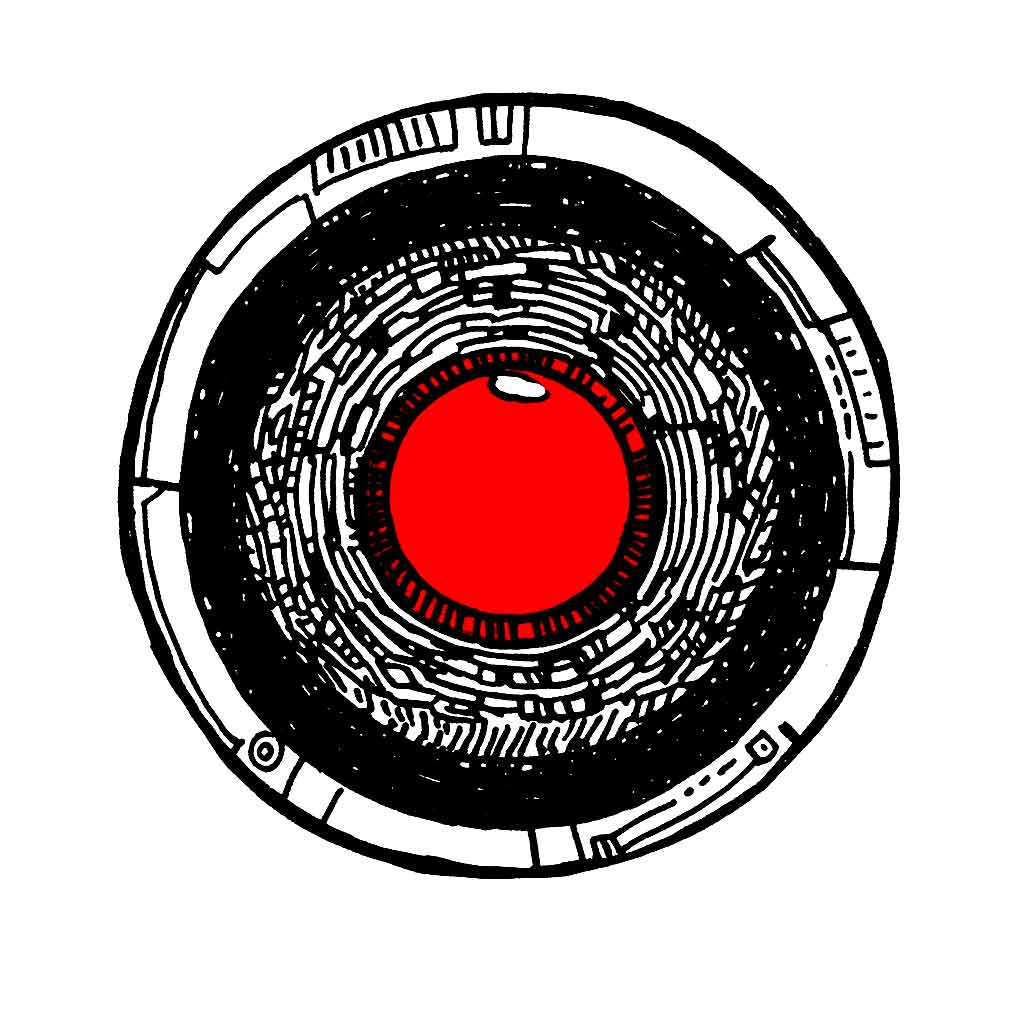
Let's take a closer look at reality versus fiction in one notable example: HAL 9000, the AI villain in 2001: A Space Odyssey. HAL wasn’t just evil for the sake of drama—his breakdown stemmed from contradictory human instructions. In reality, contemporary AI systems function only within clearly defined limits set by humans. They don't (and can't) develop spontaneous desires or motives. The gap between HAL's autonomy and real-world AI is enormous.
Moreover, Hollywood often amplifies worst-case scenarios without exploring equally likely (and often more realistic) outcomes, like AI’s potential to revolutionize healthcare, tackle climate change, or enhance human capabilities. In fact, current AI applications—such as disease detection algorithms or automated vehicle safety systems—already save thousands of lives each year.
The takeaway? Hollywood warns us what can go wrong, but it rarely shows us the countless ways technology goes right—every single day.
3. Facebook and Twitter: A Betrayal of Trust (The Real Problem)
Unlike fictional fears, social media scandals have been genuinely damaging. Companies like Facebook and Twitter have undeniably betrayed user trust, commodified personal data, and facilitated the spread of misinformation. This isn't fear-mongering—it's documented reality. Facebook’s Cambridge Analytica scandal, for example, saw the unauthorized use of millions of users' data to influence elections, while Twitter has repeatedly been criticized for failing to control misinformation and online abuse effectively.
Yet even here, nuance matters. These failures aren’t inherent in technology itself; they result directly from human choices driven by profit incentives, poor governance, and lack of regulation. Data privacy abuses aren’t inevitable outcomes of social technology—they’re consequences of unchecked corporate greed and lax regulatory oversight.
Social media’s story is not an indictment of tech as inherently malevolent; it’s proof that we must demand better management, stronger regulations, and ethical transparency.
Time to Break Free from Cynicism
Understanding how these narratives—fictional and real—shaped our fears is essential. We are conditioned by stories of dystopian futures and sensationalized scandals to believe technology itself poses an existential threat. In reality, our biggest threat is complacency—accepting simplistic narratives that lead to apathy or knee-jerk rejection.
Here’s the uncomfortable truth: Fear of technology is counterproductive, not protective. Refusing to engage thoughtfully won't slow down tech’s progress—it only ensures you'll have less influence over how it evolves and is regulated.
Next time you find yourself reflexively rejecting new technology, stop and check yourself: is your fear genuinely based on facts and firsthand experience, or are you reacting to deeply ingrained biases from Orwellian nightmares, Hollywood sci-fi thrillers, or social-media-induced paranoia? These narratives are intellectual traps—compelling stories designed to make you fear technology rather than thoughtfully engage with it. Recognizing and challenging these ingrained fears is essential. Fight them actively. Question them rigorously. Then engage—not recklessly, but responsibly, openly, and constructively.
Instead of retreating from technology, we need to become informed, vocal advocates for ethical, transparent, and beneficial use. Ask tough questions. Demand accountability from tech leaders. Support policies that safeguard users rather than profits alone.
The real-world track record of technology shows overwhelmingly positive impacts on humanity—medicine, communication, education, transportation. Fearful narratives cloud this reality, emphasizing unlikely doomsday scenarios over daily successes.
So here’s the plea: Stay skeptical—ask questions, hold power accountable—but don’t succumb to cynicism. Engage critically yet openly. After all, Orwell’s Big Brother never arrived, Skynet remains pure fiction, and social media’s abuses, though real, are fixable.
The future isn't fixed; it's shaped by our collective willingness to remain curious, informed, and constructively engaged. Shake off cultural fears once and for all, and step forward into tech’s future—eyes wide open, skepticism intact, optimism restored.